
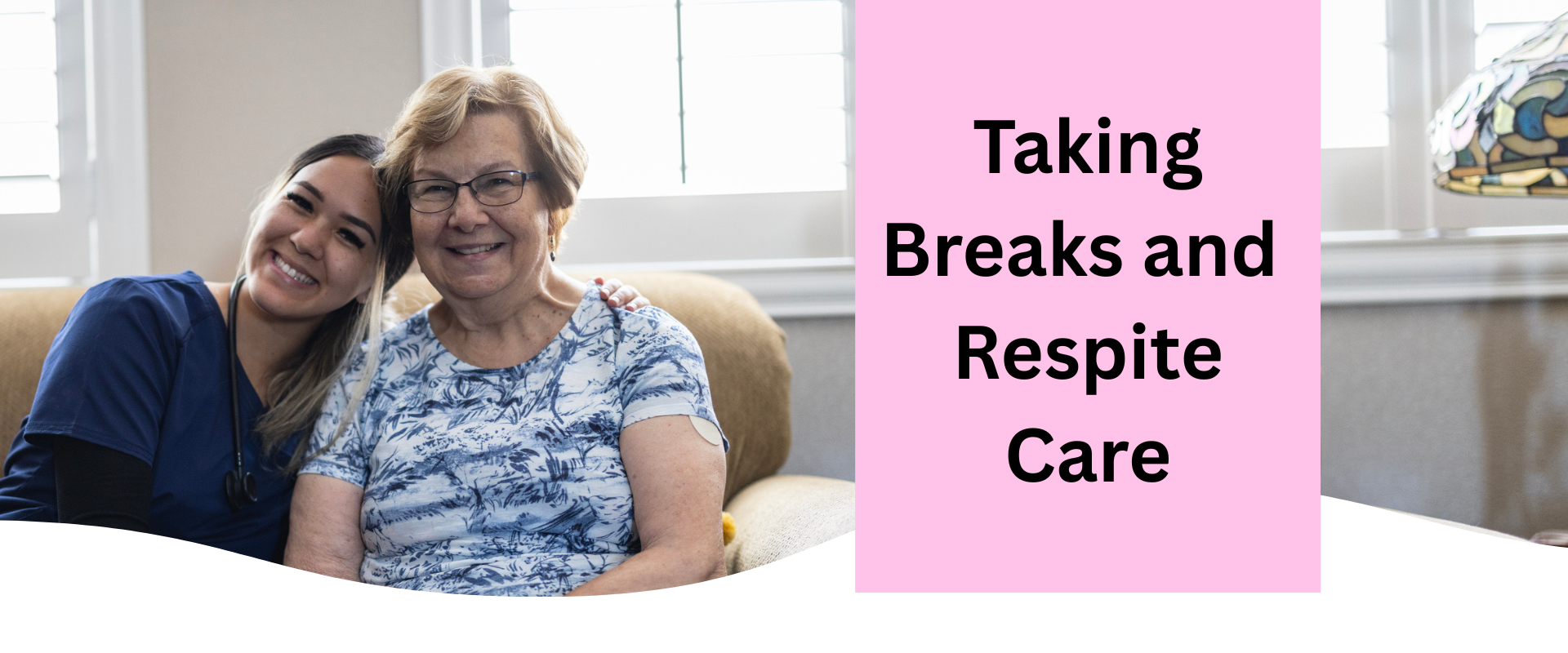
Caring can be both emotionally and physically demanding, which is why it’s so important to look after yourself, including taking regular breaks and have time just for you.
This doesn’t mean you’re leaving someone behind or letting them down. Taking a break gives you the time and space to rest, recharge, and continue caring in a safe and sustainable way.
A break might mean a few hours to yourself, a holiday with or without the person you care for, or even just 30 minutes to do something you enjoy. It doesn’t have to be long periods of time to make a difference.
You are not alone in this. There are services and supports that can help. This page will guide you through your options for breaks and respite care.
Respite care is temporary care provided to the person you support, allowing you to take a break from your usual caring responsibilities. Respite can look different for different people and you can choose what works best for you and your situation.
You can find helpful information and advice through the links below:
To explore available respite care services, contact your local Health and Social Care Trust:
Respite care is usually arranged through your Public Health Nurse or GP. An assessment of the person’s care needs may be required before services can be offered.
You can also contact voluntary organisations for information about the respite care they provide.
Useful links: